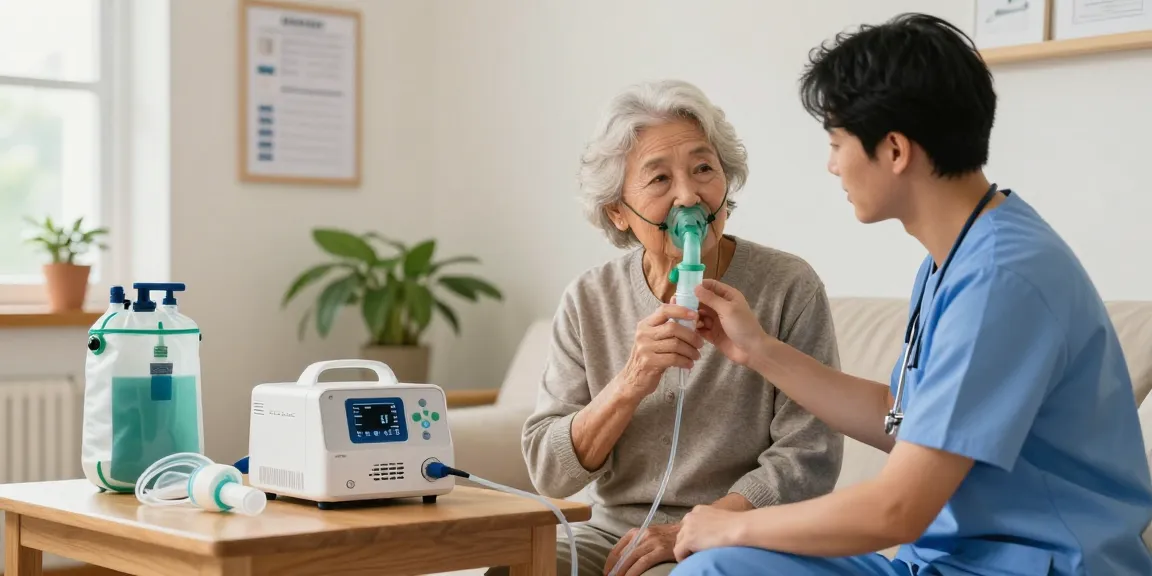
Understanding Oxygen Concentrator Supplies
Oxygen concentrators are essential medical devices that play a significant role in delivering oxygen therapy to individuals with respiratory issues. Their effectiveness greatly depends on the supplies that support their use, ensuring that patients receive the correct oxygen concentration, at the right time. Understanding the various aspects associated with oxygen concentrator supplies is crucial for caregivers and patients alike. This knowledge aids not only in choosing the right equipment but also in enhancing the overall quality of care for those reliant on these devices.
What are Oxygen Concentrators?
An oxygen concentrator is a medical device designed to provide an uninterrupted supply of oxygen to patients who suffer from conditions such as chronic obstructive pulmonary disease (COPD), asthma, or other respiratory disorders. Unlike traditional oxygen tanks that store oxygen in compressed form, oxygen concentrators draw in ambient air, filter out nitrogen, and deliver a concentrated stream of oxygen to the user. This process allows for continuous oxygen supply, which is essential in managing respiratory insufficiencies.
The Role of Oxygen Concentrator Supplies in Patient Care
Oxygen concentrator supplies encompass various components, including cannulas, filters, and tubing, all of which are pivotal for the effective operation of the concentrator. These supplies ensure that the oxygen delivered is of a high purity level and that the device functions efficiently. For instance, regular replacement of filters is crucial, as clogged filters can significantly impair the concentrator’s performance and the quality of oxygen being provided.
Common Misconceptions About Oxygen Concentrators
Many people harbor misconceptions regarding oxygen concentrators, assuming they are solely for severe cases of respiratory distress. However, oxygen therapy can benefit individuals with mild to moderate conditions, not just those in acute crises. Additionally, some believe that home oxygen therapy is cumbersome; advancements in technology have paved the way for portable units, allowing for greater mobility and flexibility.
Choosing the Right Oxygen Concentrator for Patients
Selecting the appropriate oxygen concentrator is a critical decision that can significantly affect a patient’s quality of life. Caregivers must consider several factors to ensure the device meets the specific needs of the user.
Factors to Consider When Selecting an Oxygen Concentrator
When choosing an oxygen concentrator, several key factors should be taken into account:
- Flow Rate: Determine the prescribed flow rate for the patient, as this will dictate the type of concentrator needed.
- Portability: For patients who are active, a lightweight and compact model may be more suitable.
- Noise Level: Some concentrators can be quite loud; consider the environment in which it will be used.
- Battery Life: For portable concentrators, assess how long the battery lasts during usage.
Review of Top Oxygen Concentrator Models in 2026
While various models are available on the market, by 2026, some of the most highly rated oxygen concentrators include:
- Inogen One G5: Known for its portability and long battery life, ideal for active users.
- Philips Respironics SimplyGo: A robust model offering continuous flow and pulse dose options.
- OxyGo Fit: A lightweight, compact concentrator praised for its ease of use.
Importance of Professional Advice in Equipment Selection
Consulting with a healthcare professional is vital when selecting an oxygen concentrator. Physicians can provide personalized recommendations based on a patient’s specific health needs, ensuring that the chosen model aligns with their treatment plan.
Essential Maintenance and Care for Oxygen Concentrators
Proper maintenance of oxygen concentrators is crucial in prolonging the life of the device and ensuring optimal performance. Regular care and attention to the supplies are necessary to avoid delays or interruptions in therapy.
Regular Maintenance Tips for Optimal Performance
- Inspect the cannula and tubing regularly for wear and replace as necessary.
- Check and clean filters according to manufacturer guidelines.
- Keep the concentrator in a clean, dry environment to prevent dust accumulation.
Signs Your Oxygen Concentrator Needs Repairs
It is essential to recognize when an oxygen concentrator requires professional service. Signs may include:
- Unusual noises during operation.
- Decreased oxygen flow or inconsistent delivery.
- Frequent alarms or alerts indicating malfunction.
Best Practices for Cleaning Oxygen Concentrator Supplies
Cleaning oxygen concentrator supplies regularly is paramount for hygiene and functionality. Follow these best practices:
- Use warm soapy water to clean the nasal cannula and tubing.
- Rinse thoroughly and allow to air dry completely before reassembling.
- Replace filters as per the manufacturer’s recommendations; typically every 30-60 days.
Cost Considerations for Oxygen Concentrator Supplies
Understanding the financial aspect of oxygen therapy is crucial for patients and caregivers. The costs can vary widely based on the type of equipment, insurance coverage, and supply sourcing.
Understanding the Cost of Oxygen Therapy
The total cost of oxygen therapy includes not only the initial purchase or rental of the concentrator but also ongoing expenses related to supplies and maintenance. This can range from a few hundred to several thousand dollars depending on the equipment and usage needs.
Insurance Coverage and Financial Assistance Options
Many insurance plans cover a portion of the costs associated with oxygen therapy. It’s essential for patients to review their plans and discuss coverage options with their healthcare provider to obtain necessary approvals for equipment and supplies.
Comparing Costs of Different Oxygen Supply Providers
To ensure the best value, it’s advisable to compare costs from several oxygen supply vendors. Look for transparent pricing structures and ask about potential hidden fees. Online marketplaces can also be helpful in discovering competitive rates.
Future Trends in Oxygen Therapy and Concentrator Supplies
As technology progresses, the field of oxygen therapy continues to evolve, leading to innovations that enhance patient care and accessibility.
Advancements in Technology for 2026 and Beyond
Newer oxygen concentrators are integrating smart technology that allows for real-time monitoring and adjustments based on the user’s needs. This trend is expected to revolutionize how patients interact with their therapy devices.
The Shift Towards Home-Based Oxygen Therapy
With a growing preference for home-based healthcare, many patients are opting for portable oxygen solutions that allow them to maintain an active lifestyle. This shift emphasizes the importance of accessible and user-friendly concentrators.
Expert Predictions for the Future of Oxygen Therapy
Experts forecast a continual improvement in oxygen concentrator efficiency and a reduction in costs as technology becomes more widely adopted and production scales. Additionally, as telehealth becomes more prevalent, integrating oxygen therapy management into remote consultations may become the norm.
What are the benefits of using a portable oxygen concentrator?
Portable oxygen concentrators offer numerous advantages, including:
- Enhanced mobility, allowing users to engage in daily activities without being tethered to stationary units.
- Lower weight and more compact designs enable easier transportation.
- The ability to operate using battery power or AC/DC, making them versatile for various environments.
How often should oxygen concentrator supplies be replaced?
The replacement frequency of oxygen concentrator supplies can depend on usage and manufacturer guidelines. Typically, nasal cannulas should be replaced every two weeks, while filters may need changing every month.
What safety measures should be taken with oxygen concentrators?
Safety is paramount when using oxygen concentrators. Users should:
- Avoid using oily substances near the concentrator, as oxygen can ignite combustible materials.
- Ensure the concentrator is well-ventilated and not covered to prevent overheating.
- Keep the device away from open flames and heat sources.
How to identify the right oxygen concentration levels for patients?
Determining the appropriate oxygen concentration levels should be guided by a healthcare provider, using pulse oximetry or arterial blood gas tests to measure oxygen saturation in the blood.
What are common troubleshooting issues with oxygen concentrators?
Common troubleshooting issues include:
- Device not operating: Check power source and connections.
- Low oxygen output: Inspect filters and clean or replace if needed.
- Unusual noises: Ensure that the device is on a flat surface and check for loose components.